

Why Multifamily Distress Is Really a Capital Structure Problem
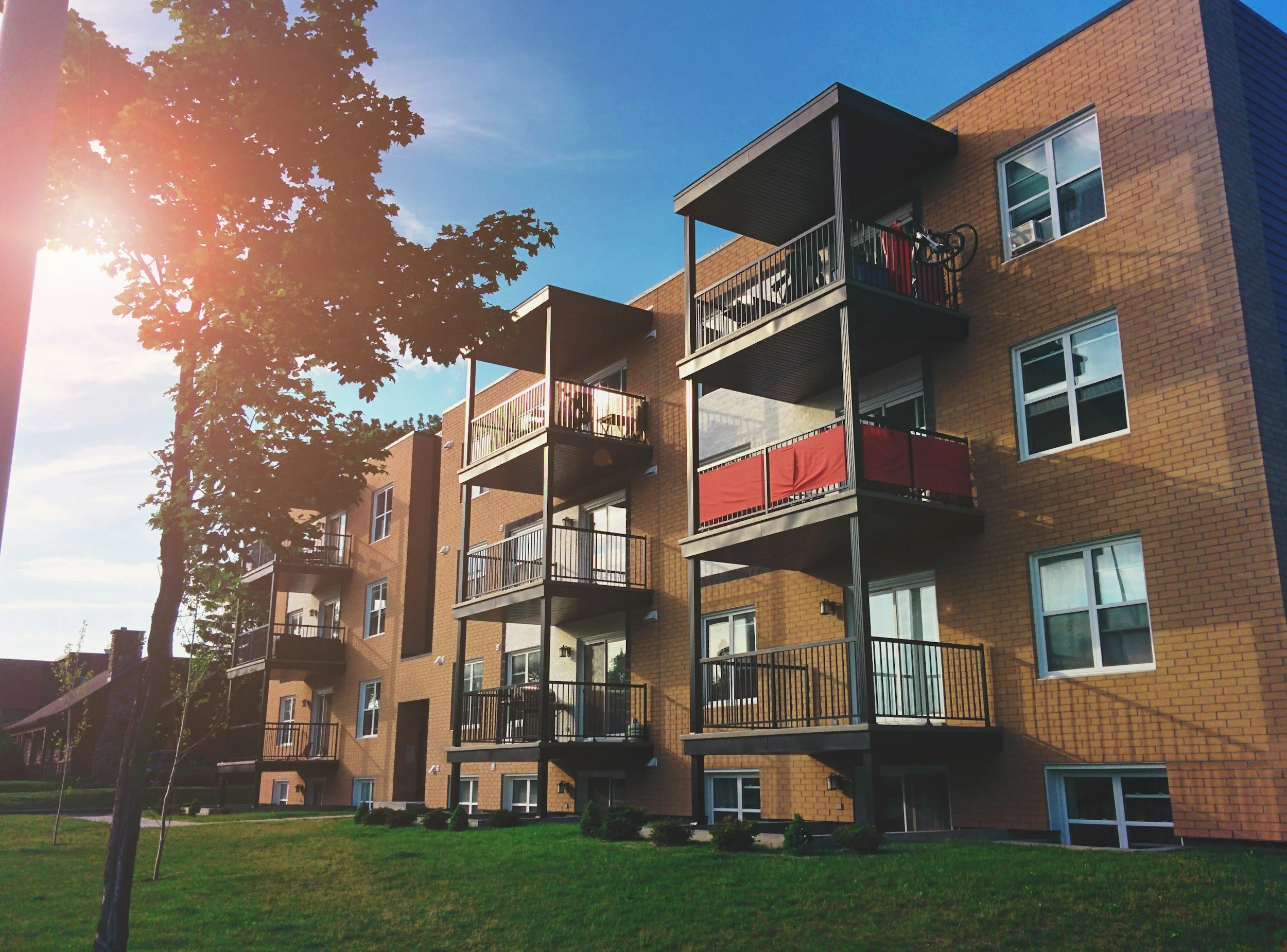
Many apartments still have demand. What changed is the financing behind them.
In many markets, the assets still have tenants, income, and long-term demand. Apartments remain a basic housing need, especially in a market where homeownership remains difficult for many households. What has changed is the financing behind those assets.
That difference matters for investors. A weak property and a mispriced balance sheet aren’t the same thing. One may require an operational turnaround. The other may require a reset in debt, basis, timing, and expectations. For investors looking at multifamily opportunities today, that distinction is becoming one of the most important parts of underwriting.
The Market Still Has Demand
It’s important to note that the apartment market isn’t uniformly broken.CBRE reported that U.S. multifamily vacancy fell to 4.8% in Q1 2026 as net absorption outpaced completions for the first time in three quarters. Average rents also rose 0.2% year-over-year to $2,217 per month.
Today’s market is more measured than 2021, rewarding operators who can create value through discipline, selectivity, and execution. That’s also what makes the current market more interesting. Demand hasn’t disappeared, but the easy tailwinds have.
Rent growth can no longer cover aggressive assumptions, and occupancy requires more deliberate management. In today’s market, concessions, expenses, insurance, payroll, taxes, and debt service all have a greater impact on whether the business plan holds.
For owners, the strategy has changed. The goal is to protect occupancy, manage expenses, maintain liquidity, and keep the asset financeable. In today’s environment, good operators are making smaller, more disciplined decisions that compound across the life of the investment.
The Financing Is Where Pressure Shows Up
A harder reset is taking place in the capital stack. Many acquisitions made during the low-rate period were built around cheaper debt, stronger rent growth, and cleaner exit paths. As market conditions shift, the property may still be occupied and income-producing, while the financing behind it becomes harder to sustain.
TheMortgage Bankers Association reported that total commercial and multifamily mortgage debt outstanding reached $4.93 trillion at the end of Q3 2025, with multifamily debt alone at $2.24 trillion. That means a large volume of capital is operating in a more restrictive environment than many sponsors expected when they bought the asset.
When debt service rises, cap rates move, and refinancing proceeds come in lower than expected, a property can perform reasonably well and still fail to meet the original investment case. That is why today’s distress can be misleading. The issue isn’t always bad demand. Often, it is a business plan built for a lower-rate world.
This is where investors need to be precise. A property with weak fundamentals is one kind of problem. On the other hand, a property with sound occupancy but an overleveraged capital structure is another. The first may require operational repair. The second may create an opportunity for a better-capitalized buyer or operator to reset the basis and improve the structure.
What Investors Should Underwrite Now
For LPs, the key question is whether the operator can underwrite the capital structure with enough discipline to survive a less-forgiving market.
That means looking beyond the headline deal. Investors should understand the basis, loan terms, reserves, refinancing assumptions, capex timing, rate sensitivity, and operating flexibility. They should also ask how much of the business plan depends on perfect conditions. If the deal only works with aggressive rent growth, compressed cap rates, and frictionless refinancing, the margin of safety may be too thin.
Operator quality shows up in moments like this. It appears in how conservatively a deal is bought, how quickly decisions are made, how expenses are controlled, how tenants are retained, and how financing risk is managed before it becomes urgent.
At Gilberti Group, we see this as an operator’s market. The most compelling opportunities aren’t necessarily distressed because the real estate is bad. They are often mispriced because the prior structure no longer works.
In this environment, distress should be underwritten as a structure. The investors who understand that distinction will be better positioned to separate broken assets from fixable capital problems.
Get in touch to learn how Gilberti Group is sourcing and underwriting multifamily opportunities in today’s reset.
